Discover the Heartbeat of Kakwa Culture
Strength Through Unity, Pride Through Heritage
Where culture and community come together to inspire and empower.
Unity in Diversity
Experience the strength of community through shared traditions and values.
Cultural Heritage
Delve into the rich history and customs that define the Kakuwa identity.
Empowerment Initiatives
Learn about our programs designed to uplift and support Kakuwa families.
The Legacy of the Kakuwa People
The Kakuwa people, an ethnic group native to parts of Uganda, South Sudan, and the Democratic Republic of the Congo, have a rich history marked by resilience and cultural pride. Known for their vibrant traditions and strong community bonds, the Kakuwa have played a significant role in the cultural tapestry of the region. Their history is a testament to their adaptability and enduring spirit, as they have navigated challenges and celebrated their heritage through generations. Today, the Kakuwa continue to thrive, contributing to the cultural diversity and unity of their communities.
Origin of the Name "Kakuwa"
The name “Kakua” has several possible roots. Some say it means “People of the Land” from local words “Ka” (land/our) and “Ko” (people of). Others link it to kakuwa thorn-tree fences once used for village protection, or to the ancestor “Kakowani,” known for his fierce spirit and for settling disputes with his teeth. Another theory connects the name to the ancient Nubian city of Kawa, tying Kakua origins to the Nilotic homeland in present-day northern Sudan.
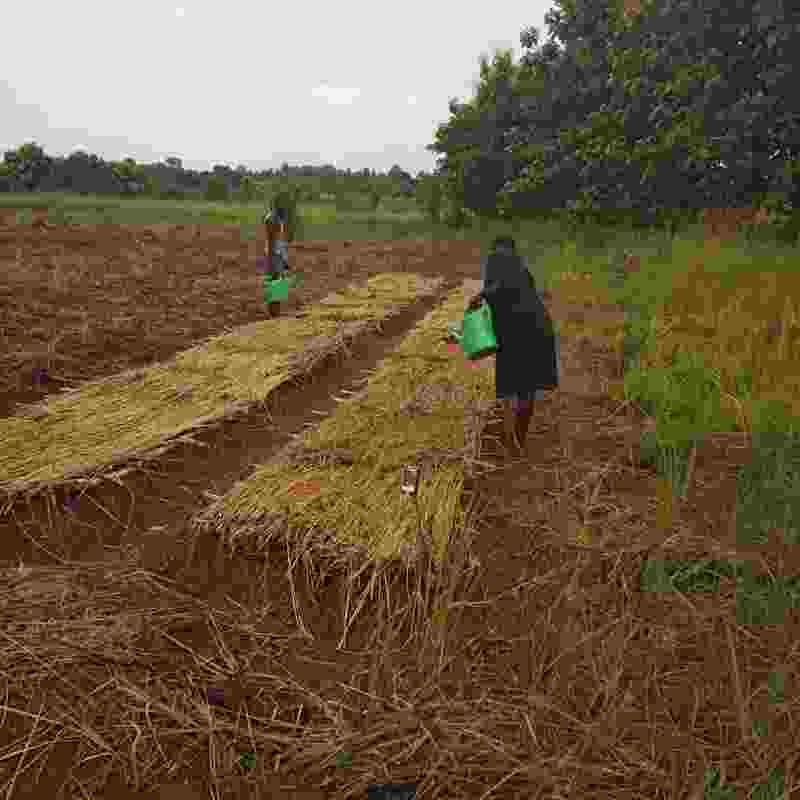
Farming, Craft, and Culture. The Kakuwa are expert farmers of cassava, maize, coffee, and more, ensuring food and income security. They’re also talented artisans, creating pottery, baskets, and metalwork, while their rich cuisine and strong community leadership highlight a resilient, vibrant culture.
At the Heart of Three Nations. The Kakuwa live across South Sudan’s Greater Yei Region, Uganda’s West Nile (Koboko), and the DRC’s Ituri Province. Their ancestral homeland, Saleta Musala, marks a symbolic crossroads of heritage, unity, and identity.
Loŋutu na Ŋun — Humanity and God
The Kakuwas view life as a sacred trust rooted in Loŋutu (humanity) and Ŋun (God). Respect for elders, moral integrity, and community balance guide their way of living.
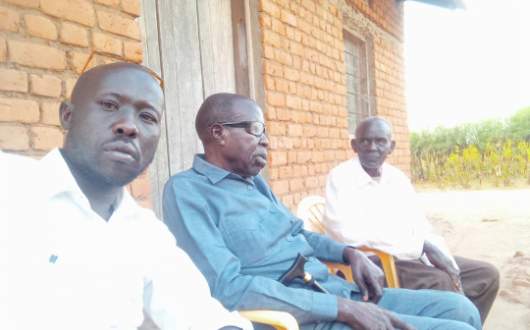
Society is clan-based, led by chiefs and elders who uphold tradition and law. Principles of right action and respectful obedience ensure unity and trust across generations.
Faith. Family. Resilience.
The Kakuwa revere God the Creator while honoring ancestors as moral guides. Rituals under sacred trees and on mountains keep spirituality woven into daily life, even as Christianity grows.
Blending indigenous traditions, the Kakuwa embody Africa’s triple heritage. Their strength lies in adapting while preserving ancestral wisdom.
Cultural Practices of the Kakuwa
The Kakuwa are celebrated for music, dance, storytelling, and vibrant rituals that preserve history and values. Their intricate attire and community ceremonies reflect artistic heritage, fostering unity and a strong sense of cultural identity.
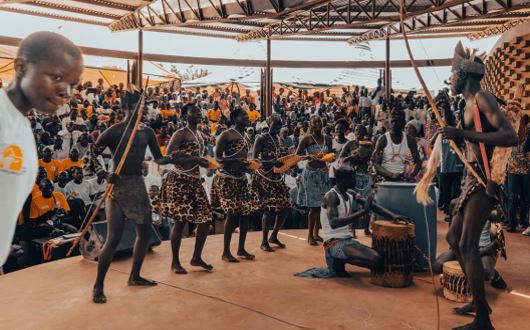
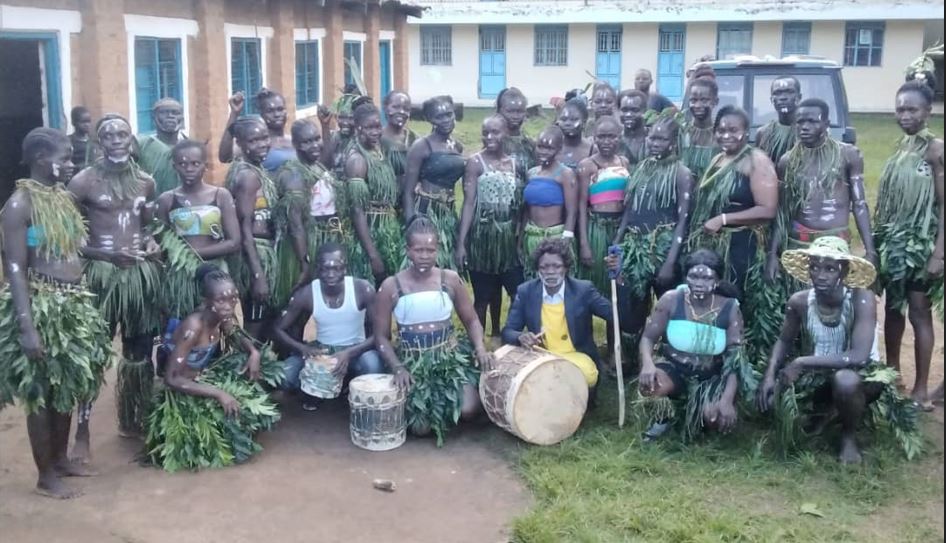
By embracing both modernity and tradition, the Kakwa people continue to inspire and uplift their communities, ensuring that their cultural legacy endures for future generations.
Cultural Practices and Traditions
Kinship, tradition, and community unite the Kakuwa across three nations.
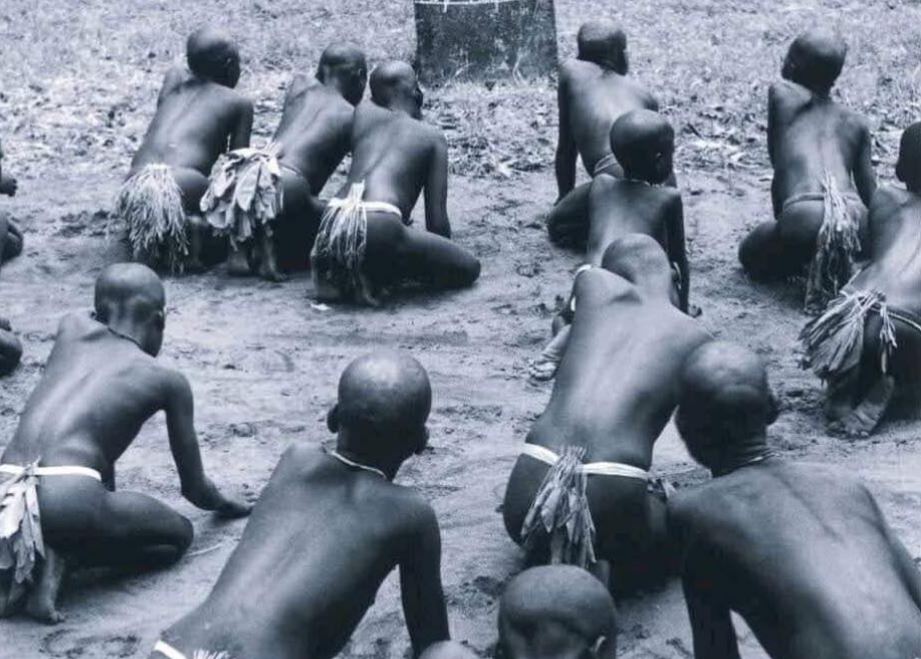
Kakuwa heritage is rooted in kinship, community, and respect for elders. Traditions like storytelling, songs, and initiation rites preserve cultural wisdom and a sense of belonging. The Kakuwa, an Eastern Nilotic people, share customs with groups like the Pojulu and Lugbara, including clan-based organization and distinctive marriage practices. Living across South Sudan, Uganda, and the DRC, they coexist with neighboring groups, creating a diverse yet connected cultural landscape.
“Music, dance, and rituals bring Kakuwa heritage to life every day.”
From vibrant festivals to pottery, murals, and thatched homes, traditions strengthen bonds of family, clan, and community.
What Makes the Kakuwa Unique
“Preserving tradition while thriving in education, faith, and sustainable living.”
The Kakua are a cross-border community preserving tradition while adapting to modern education, religion, and governance. Their language remains widely spoken, showing resilience, and their homesteads reflect ecological mindfulness using sustainable local materials.
Traditional Homesteads
“Grass-thatched homes and self-sufficient homesteads reflect harmony with nature.”
Homes center around the kadi totoe, a grass-thatched family hut, and the koku, an open-air kitchen. Hedges form the mari for protection, while the gugu and appa store grains.
Livestock live in the koro pen, and poultry in the koko coop, creating a balanced, self-sufficient homestead.
Language and Preservation
The Kakuwa language, Eastern Nilotic, preserves proverbs, idioms, and cultural identity. It has borrowed words from Arabic, Turkish, French, English, Swahili, Lingala, and Luganda.
Written in the Latin script with special characters like ö and ŋ, it faces challenges from urbanization and dominant regional languages, making revitalization urgent.
Cultural Legacy
“Blending ancestral roots with modern life, the Kakuwa remain adaptive and proud.”
Islam and the Nubi language influenced Kakuwa traditions, blending religious customs with local practices. Today, the Kakua remain resilient, adaptive, and deeply rooted in ancestral heritage, balancing tradition with modern life.
Explore the Richness of Kakuwa Art
Traditional Art and Crafts of the Kakuwa People
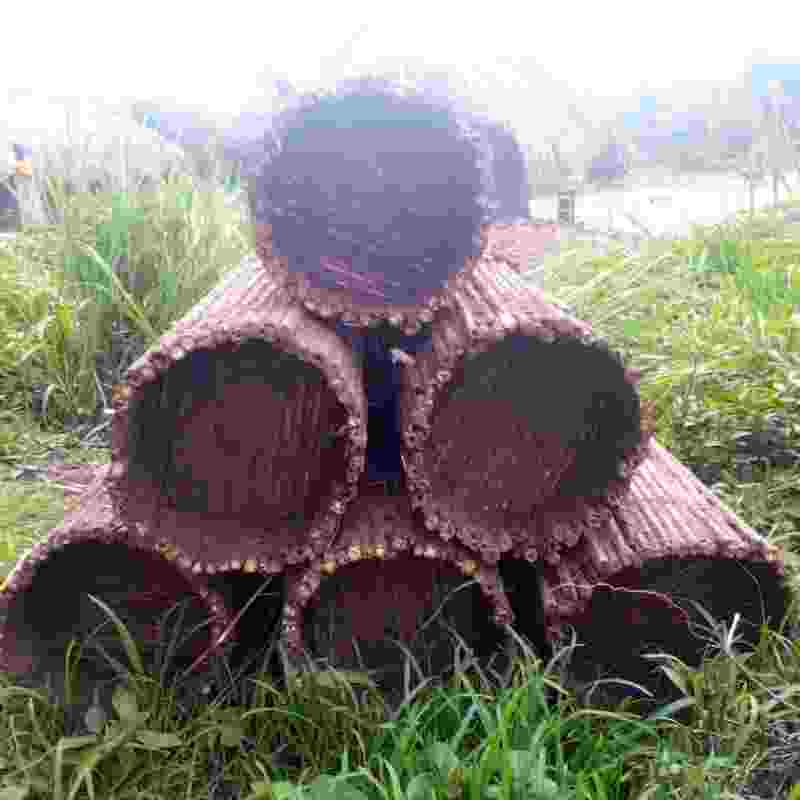
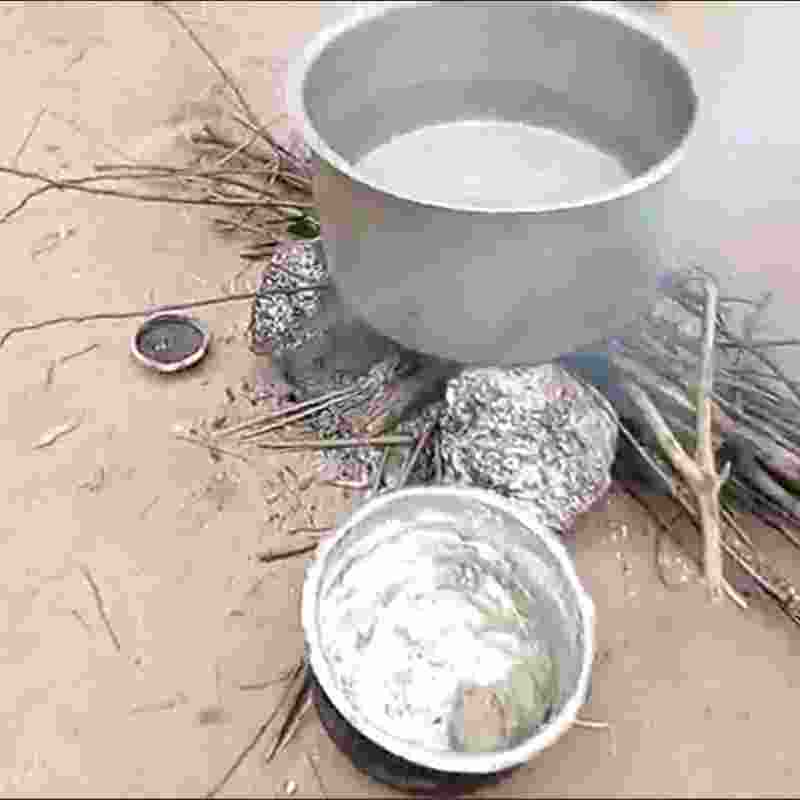
Voices of the Kakuwa Community
“Kakuwa culture is the heartbeat of our community, connecting us to our roots and each other.”
Raymond L., Community Leader
“Through our cultural practices, we find strength and unity that empower us to face challenges together.”
Basil B., Cultural Advocate
“Embracing our traditions will enriched our life and strengthened our sense of belonging.”
Santino M., Youth Mentor
Join Us in Celebrating Kakuwa Culture
Immerse yourself in the vibrant traditions of the Kakuwa community. Your participation in our cultural events not only enriches your understanding but also supports our mission to empower and uplift. Together, we can preserve and celebrate the unique heritage of the Kakuwa people.